Niacinamide vs. Retinol: The Honest Breakdown Your Skin Has Been Waiting For
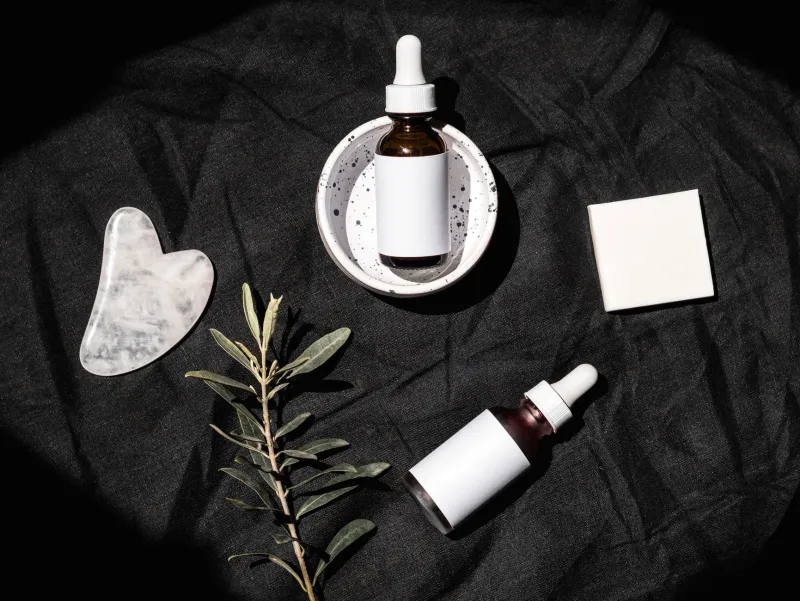
Open any beauty editor's bathroom cabinet right now and you'll find at least one of these two ingredients. Niacinamide and retinol have become the twin pillars of the modern skincare routine—praised in Reddit threads, hyped on TikTok, and stocked on the shelves of everyone from Sephora to your local CVS. They're everywhere.
But here's what the marketing copy won't tell you: these two ingredients work very differently, suit different skin types, and come with very different learning curves. Grabbing both and layering them on without understanding what you're dealing with is a recipe for irritation, purging, and a lot of wasted money.
So let's actually break this down.
What Is Niacinamide, and What Does It Do?
Niacinamide is a form of vitamin B3—a water-soluble vitamin that your skin loves for a long list of reasons. It's been studied extensively, and the research is genuinely solid. Here's what it's proven to do:
- Reduce the appearance of pores. Niacinamide helps regulate sebum production, which over time can make enlarged pores look smaller and less prominent.
- Even out skin tone. It inhibits the transfer of melanin to the skin's surface, which means it actively works against hyperpigmentation, dark spots, and uneven tone.
- Strengthen the skin barrier. This is huge. Niacinamide boosts the production of ceramides and other lipids that keep your skin barrier intact, which means better moisture retention and more resilience against environmental stressors.
- Calm inflammation. It has documented anti-inflammatory properties, making it a solid choice for anyone dealing with redness, acne, or general sensitivity.
The other thing niacinamide has going for it: it plays well with others. It's one of the most compatible ingredients in skincare, meaning you can layer it with almost anything without worrying about destabilizing your routine.
What Is Retinol, and What Does It Do?
Retinol is a form of vitamin A, and it is—without exaggeration—one of the most clinically supported anti-aging ingredients in existence. Dermatologists have been recommending it for decades, and the evidence behind it is extensive.
When applied to the skin, retinol converts to retinoic acid, which then works at a cellular level to:
- Accelerate cell turnover. Retinol speeds up the process by which your skin sheds old cells and generates new ones, which helps fade dark spots, smooth texture, and gradually diminish fine lines.
- Stimulate collagen production. This is the big one for anti-aging. Collagen is what keeps skin firm and plump, and retinol actively encourages your skin to produce more of it.
- Unclog pores. By keeping cell turnover moving, retinol helps prevent the buildup that leads to blackheads and breakouts.
- Improve overall skin texture. With consistent use, retinol delivers a noticeably smoother, more refined surface over time.
The catch? Retinol is a commitment. It takes weeks—sometimes months—to show results, and the adjustment period can be rough. Dryness, flaking, redness, and increased sensitivity are all common in the early stages, especially if you go in too aggressively.
Head-to-Head: Which One Is Right for Your Skin Concerns?
If You're Dealing With Acne or Oily Skin
Both ingredients can help here, but they work differently. Niacinamide is the gentler option—it'll reduce sebum production and calm the inflammation that makes breakouts worse without causing the irritation that can sometimes trigger more acne. It's a great starting point.
Retinol also addresses acne by keeping pores clear and regulating cell turnover, but the initial purging phase (where skin temporarily breaks out more before it improves) can be discouraging. If your skin is already reactive, build up slowly.
Bottom line for acne-prone skin: Start with niacinamide. Add retinol gradually once your skin is stable.
If Your Main Concern Is Hyperpigmentation or Dark Spots
Niacinamide is a solid, well-tolerated option for fading dark spots—but retinol is generally more powerful here, especially for deeper or more stubborn discoloration. The accelerated cell turnover that retinol triggers means pigmented cells are cycled out faster.
Bottom line for hyperpigmentation: Retinol wins for faster results, but niacinamide is a great supporting player and a gentler alternative for sensitive skin.
If Anti-Aging Is Your Priority
Retinol is the gold standard, full stop. No other over-the-counter ingredient has the same level of clinical backing for reducing fine lines and stimulating collagen. Niacinamide can support skin plumpness and barrier health, which contributes to a more youthful appearance, but it's not doing the same heavy lifting.
Bottom line for anti-aging: Retinol is your MVP. Niacinamide is a valuable supporting cast member.
If You Have Sensitive or Compromised Skin
Niacinamide is almost universally well-tolerated. Even people with rosacea, eczema, or highly reactive skin tend to handle it without issue. Retinol, on the other hand, can be genuinely destabilizing for already-sensitive skin—especially if the barrier is compromised.
Bottom line for sensitive skin: Niacinamide first. Approach retinol with caution, starting at the lowest possible concentration (0.025% or less) and no more than once a week.
Can You Use Both? The Truth About Layering
Yes—and in many cases, using both is actually the smartest approach. They target overlapping but distinct concerns, and when used correctly, they complement each other well.
The key is sequencing and timing. Here's what actually works:
- Apply niacinamide in the morning as part of your AM routine. Its antioxidant and barrier-supporting properties are a great defense against daily environmental exposure.
- Use retinol at night only. Retinol degrades in sunlight and makes skin more photosensitive, so nighttime use is non-negotiable. Always follow with SPF the next morning.
- Layer them separately rather than mixing. Apply retinol first to clean, dry skin, let it absorb for a few minutes, then layer your niacinamide-containing moisturizer on top. Some people find niacinamide helps buffer retinol's irritating effects when used this way.
One old myth worth busting: you may have heard that niacinamide and retinol cancel each other out or create a reaction that produces niacin (which can cause flushing). Modern research has largely debunked this as a concern at the concentrations found in skincare products. They're safe to use in the same routine.
Concentrations and What to Look For
Not all products are created equal. Here's a quick guide to effective concentrations:
- Niacinamide: Look for products with 2%–10%. Studies show benefits across this range, with higher concentrations offering more noticeable effects on pores and pigmentation. Above 10%, some people experience mild flushing—so more isn't always better.
- Retinol: Start low. A 0.025%–0.1% concentration is appropriate for beginners. Work up to 0.3%–0.5% as your skin adjusts. Prescription-strength retinoids (like tretinoin) are more powerful but require a derm's guidance.
The Real Talk: Patience Is the Secret Ingredient
Here's the unglamorous truth about both of these ingredients: they work, but they take time. Niacinamide typically shows visible results in 4–8 weeks of consistent use. Retinol can take 3–6 months before you see significant improvement in texture and fine lines.
The skincare industry profits from impatience—from convincing you that the product isn't working so you'll buy the next thing. Don't fall for it. Build a simple routine, stay consistent, and give your skin time to respond.
The Bottom Line
Niacinamide and retinol aren't competitors. They're more like two different tools in the same kit—one gentle and broadly applicable, one powerful but demanding. The right choice depends entirely on your skin type, your concerns, and where you are in your skincare journey.
If you're new to active ingredients, start with niacinamide. It's forgiving, effective, and unlikely to cause a meltdown. Once your skin is in a good place, introducing retinol slowly can take your results to another level.
And if you're already doing both? Just make sure you're doing them right. Your skin will thank you.